Welcome back
Pick a module and continue at your own pace. You do not have to do anything perfectly, trying calmly is exactly the point.

Which genAI tools exist, and what do they cost?
Generative AI (“genAI”) is the umbrella term for chatbots that produce text, images and code. The best known: ChatGPT (OpenAI), Claude (Anthropic), Gemini (Google), Microsoft Copilot (built on OpenAI's models, inside M365), Mistral / Le Chat (France, EU) and DeepSeek (China). All of them have a free version, that's enough to do this entire course.
| Tier | Price (indication*) | What's the difference? |
|---|---|---|
| Free | €0 | The base model, with limits on the number of messages per day and often a smaller working memory. Fine for learning and one-off tasks. |
| Paid subscription (ChatGPT Plus, Claude Pro, Gemini Advanced) | ~€20–25 per month | Access to the newest and smartest models, much higher limits, a larger working memory and extra features such as Projects and file processing. You mainly notice this with daily use. |
| Top and organisation subscriptions (e.g. ChatGPT Pro, Claude Max, Microsoft 365 Copilot at organisation level) | €100–200+ per month; on a yearly basis this can run towards €2,000 per user | Near-unlimited use of the heaviest models, priority during peak times and, with organisation licences, enterprise data protection and IT administration. You don't need this for this course. |
* Prices and packages change regularly; check the current prices with the vendor itself.
Where each player is strong, and what you get for free
ChatGPT, Claude and Gemini can all write text. They feel different. This is not a ranking: on forums (including Reddit) and review sites tastes shift, and the companies mainly advertise their own strengths. Try the free tier before you pay.
| Player | Often strong at | Free tier (indication) |
|---|---|---|
| ChatGPT | Broad use, images, voice, lots of examples to learn from. | Ordinary chat with a lighter or limited model, and daily limits. Heaviest reasoning, high limits and Projects are usually in Plus. |
| Claude | Long texts, a calm tone, thinking along patiently. | Free chat with a daily cap. Very long documents and Projects mostly in Pro. |
| Gemini (Google) | Gmail, Docs and Drive, if you already work in Google. | Free in the Gemini app. Actually working inside your Google files depends on your account. The heaviest model is often in Google AI Pro. |
What one tool still does for free (a short rewrite, an ordinary question) can hit a limit on another, or sit only in the paid tier. Current limits are on the vendor's own site.
Who makes these chatbots? Where they're based, and what to watch for
The course uses many examples with ChatGPT. Other services come up in some lessons too, such as Claude, Gemini, Mistral (the French / EU player) or DeepSeek. This block is not legal or privacy advice: it does help you make conscious choices. Always consult the supplier's current privacy policy and terms of use, plus any policy of your employer, school or care institution.
| Product (example) | Which company? | Where is the company based (headquarters / home base)? | What kinds of risks can you watch for? |
|---|---|---|---|
| ChatGPT | OpenAI (makes ChatGPT). | United States (US), headquartered in San Francisco (company details can shift over time). | Cloud under US jurisdiction and an American contract/partner chain may be relevant; policy on storage and model improvement varies per product/subscription; no guarantee against errors; dependent on availability and updates to the terms. |
| Claude | Anthropic (makes Claude). | United States (US), commonly associated with San Francisco (US). | Anthropic publicly positions itself emphatically around AI ethics and responsible AI use (including themes such as AI safety and approaches the company has called Constitutional AI). That sometimes makes communication and policy more explicit about being “responsible”, but this is no carte blanche to casually share sensitive data: you remain legally and organisationally responsible yourself. Claude can hallucinate and suggest wrong conclusions too. |
| Gemini | Google / Google DeepMind (makes Gemini, also inside Gmail, Docs and Android). | United States (US), Mountain View & London; data centres worldwide including in the EU. | Deep integration with Google services means Gemini can read your Drive, Gmail and Docs, that depends on what your work or school has switched on. For personal use it's usually off. Terms and regional rollout differ per product (Gemini app, Workspace, AI Pro): actively check what is enabled in your account. |
| Mistral / Le Chat | Mistral AI (makes Le Chat and the Mistral models). | France, Paris, so within the EU. A lot of hosting possible within the EU; some models are open-weights. | Often the first answer for anyone looking for a European supplier. EU jurisdiction and the GDPR are closer to home, but: the ecosystem around Mistral (apps, plug-ins, mobile integration) is smaller than OpenAI's or Google's; and “EU-based” doesn't automatically mean all data stays in the EU, check per product and subscription where processing and any sub-processors are located. |
| DeepSeek (chat / API) | DeepSeek (深度求索). | China, with much published company information around Hangzhou, Zhejiang province (check current company details). | Chinese regulatory and sovereignty context around processing; for Europe, and certainly for so-called critical work data, extra attention to data flows, processor locations and the legal framework; political or trade aspects can play a role in an organisation's assessment. Same basic technical risks: errors and “overconfident” text. |
Question to think about: suppose your employer or care institution requires “data in the EU with a known processor”. Which two substantive questions should you be able to ask IT or a privacy contact before pasting even an anonymised case into ChatGPT, Claude, Gemini, Mistral or DeepSeek? And: could an EU-based supplier such as Mistral tip the balance for you, or do other things (quality, integration with the programs you work in) rank higher?
The modules
You work through five modules: from getting started to safe use, then asking medical questions in ChatGPT, with examples (heart, knee) and a practice round with a complaint of your choice.

Module 1: Getting to know ChatGPT
What it is, what it can do, and what you can realistically expect.
Start module 1
Module 2: Getting started
Open ChatGPT on your device, run a chat, and steer the answers.
Go to module 2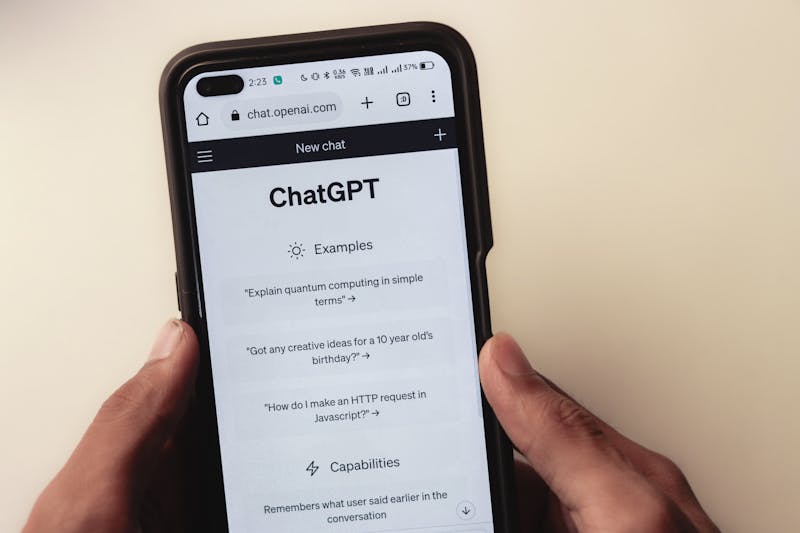
Module 3: Asking smarter questions
Prompt patterns and structure to get clear, useful answers quickly.
Go to module 3
Module 4: Safe and sensible
Privacy, checking reliability, boundaries, and a reusable template.
Go to module 4
Module 5: Medical questions
How to phrase questions, follow up, get general information, and prepare for a clinician, with palpitations, knee pain, and your own example. Not a replacement for your doctor.
Open module 5After module 5: evaluation, then assignment book
The assignment book (20 optional tasks) opens after you finish all five modules and complete the short evaluation. Module 5 is the last content module; then evaluation and the optional assignment book. On the thank-you page you will find the link; notes stay on your device only.
Closing and evaluation