The six modules
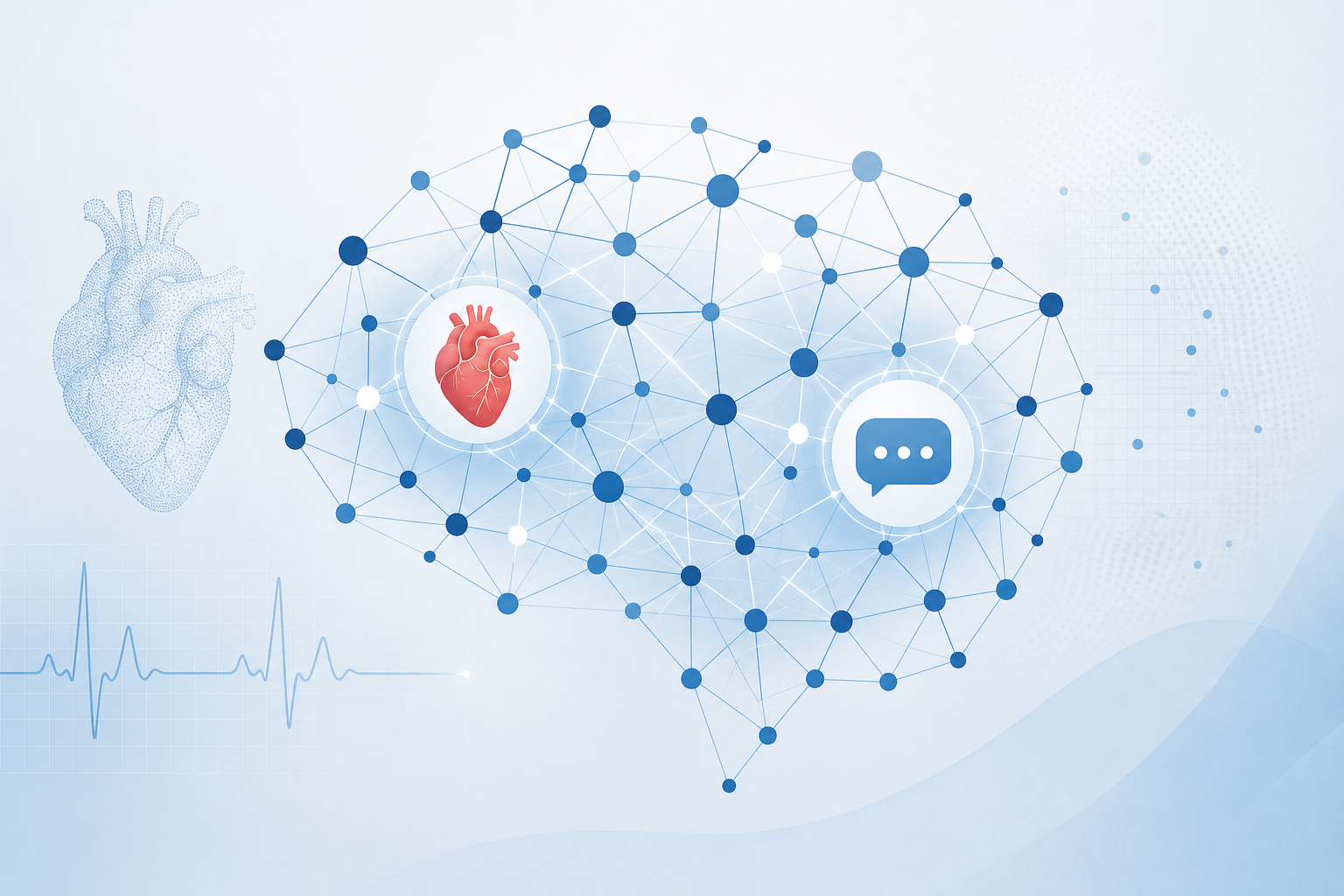
What is an LLM?
AI → ML → DL → LLM. The core trick in one sentence. Tokens and embeddings. Reasoning with meaning (why RAG works). Scale and emergent behaviour, why today's models can do things that failed last year.
Go to overview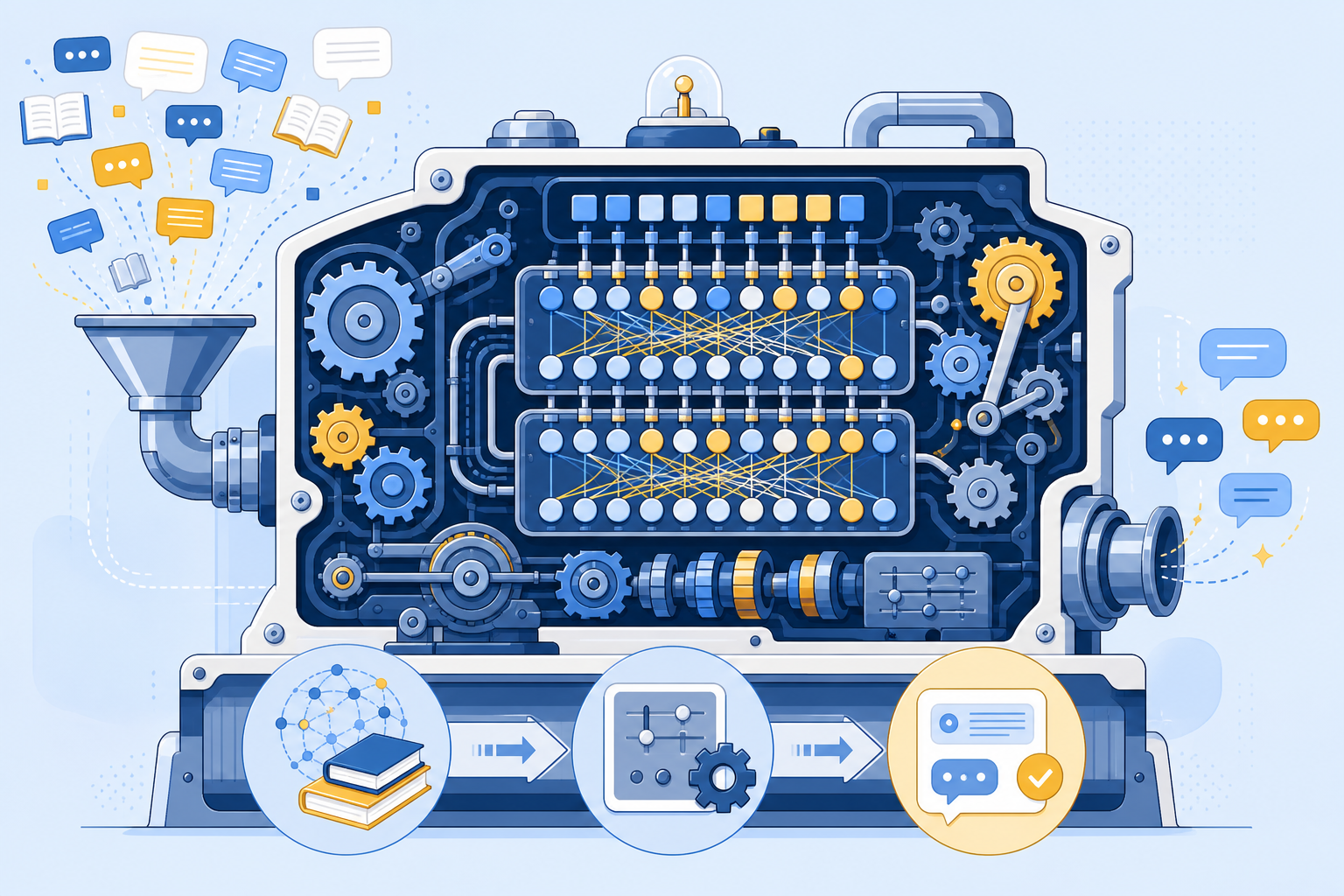
How is an LLM made?
Pre-training, supervised fine-tuning, RLHF, DPO. Domain-FT (Med-PaLM, MedGemma) versus RAG. The Transformer and attention. Context window, why you put your question at the bottom and what “lost in the middle” means for long ESC guidelines.
Go to overview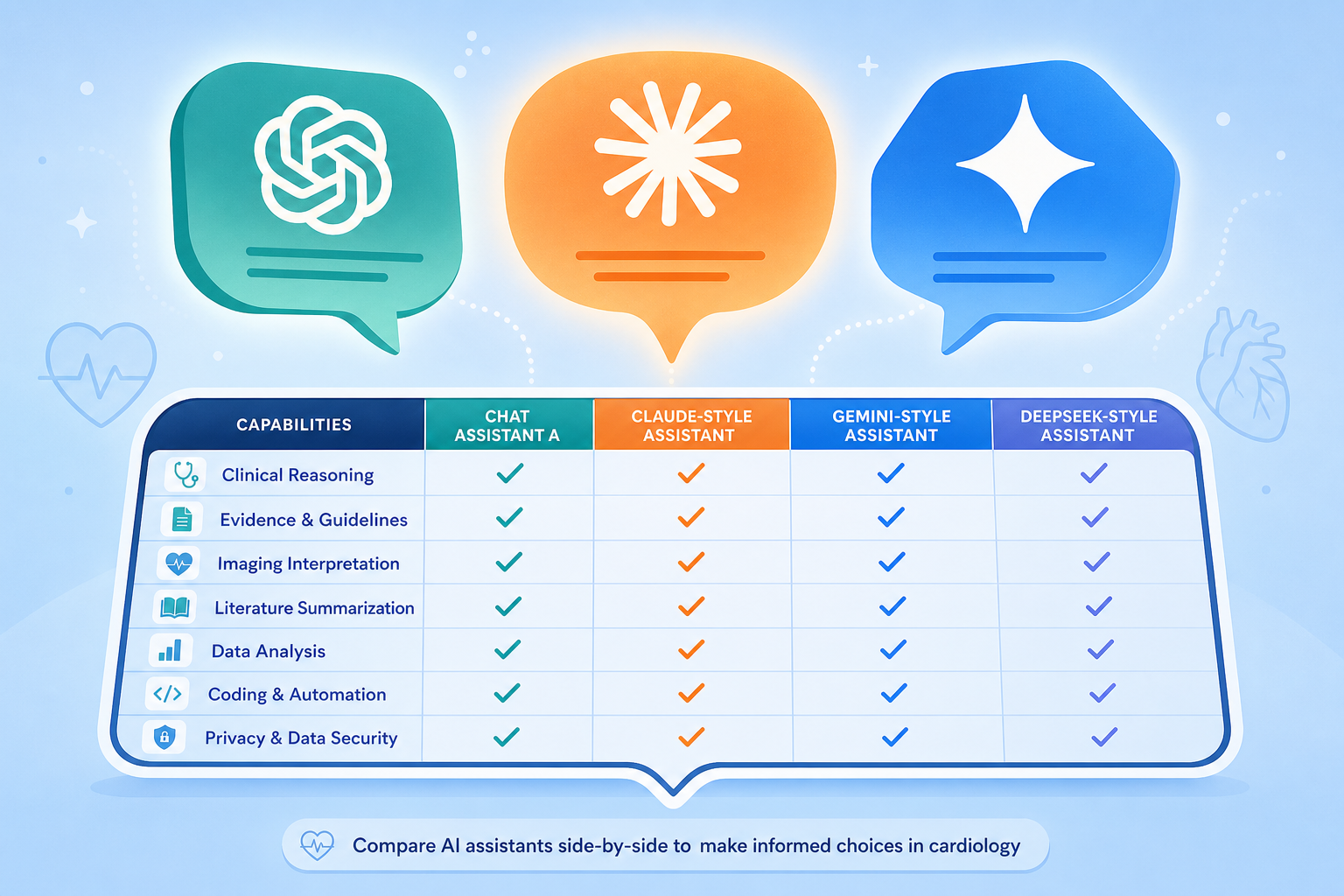
The players, opportunities for the cardiologist
ChatGPT, Claude (and Anthropic's ethical positioning), Gemini and DeepSeek. Which for which task: letters, full guidelines, code, image, voice. Cardio choice matrix. The exponential pace and what it means for you.
Go to overview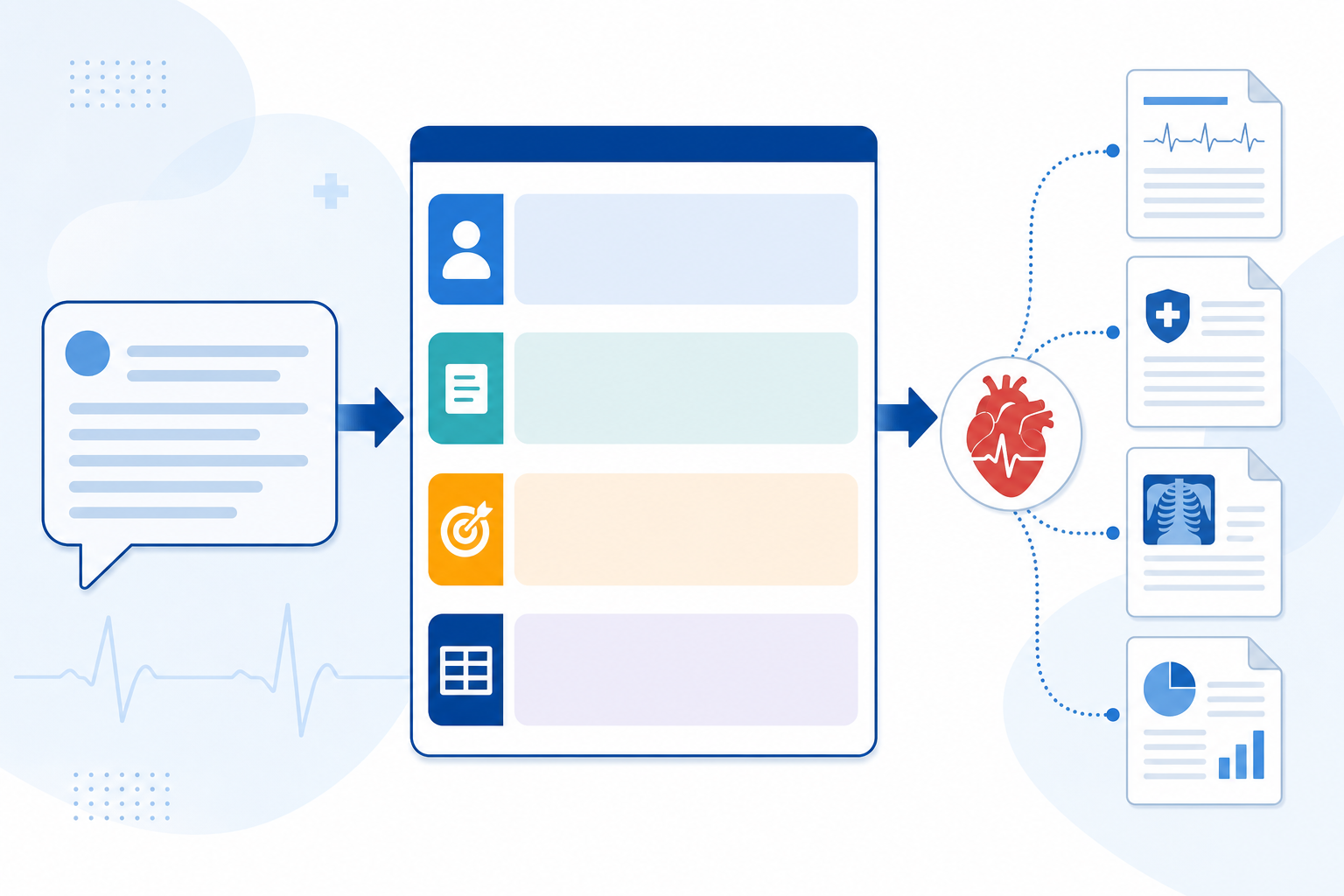
Cardio prompt architecture
The five building blocks (role/context/task/format/uncertainty). Provide source instead of asking source. Five live exercises: DDx for chest pain, discharge letter from dictation, patient leaflet B1, echo summary for MDT, teaching with case + learning questions.
Go to overview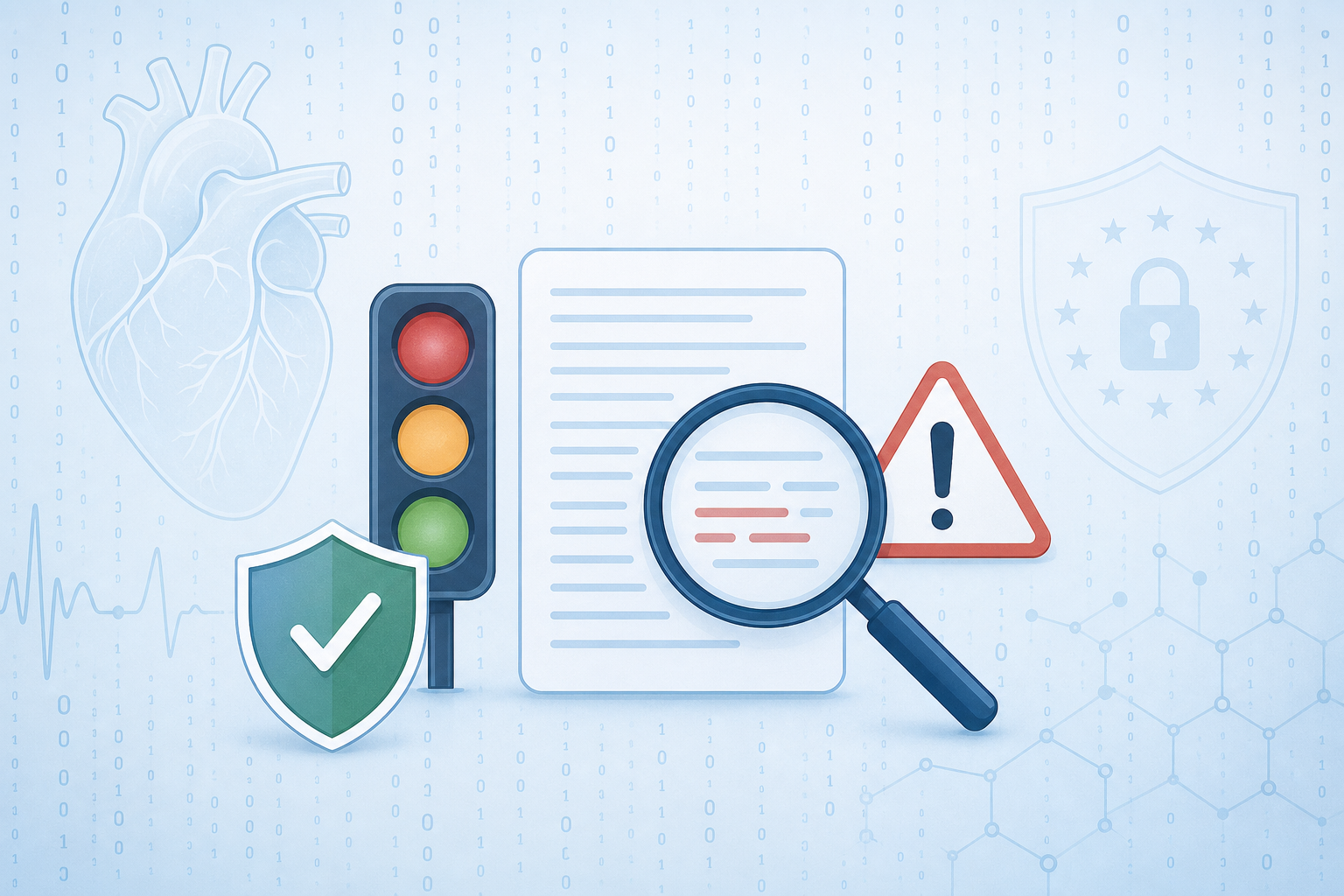
Risks, and how to frame them
Hallucinations as a feature, GDPR traffic light (green/amber/red), bias in the model and in yourself (automation bias), the four rules of thumb and local governance (DPIA, ESC AI Hub, EACVI). Final exercise: hallucination hunt.
Go to overview
The big case, cardiogenic shock after anterior wall infarction
One realistic case adapted for teaching (Impella, VA-ECMO, LVAD screening) on which you apply everything: summarising in three formats, DD sparring, fact-checking, treatment plan vs. guideline, prompt iteration & privacy. Five work assignments, ten multiple-choice questions.
Go to overview